


The event was a huge success. The panel was lively, the networking was buzzing. But when you report this to your board, you’re met with the unspoken question: “So what?”
Intuitively, you know the event created immense value. But without data, “good vibes” and anecdotes are not enough to justify budgets or inform strategy. This is a huge challenge, as organizations report that up to 90% of the data they collect is “unstructured” (like open-ended survey answers), making it incredibly difficult to analyze. You’re left unable to prove the true ROI of your hard work.
This post is your data-storytelling playbook. We’ll show you how to use AI to analyze the rich engagement data you’ve collected and weave it into a compelling narrative that proves your event’s strategic value.
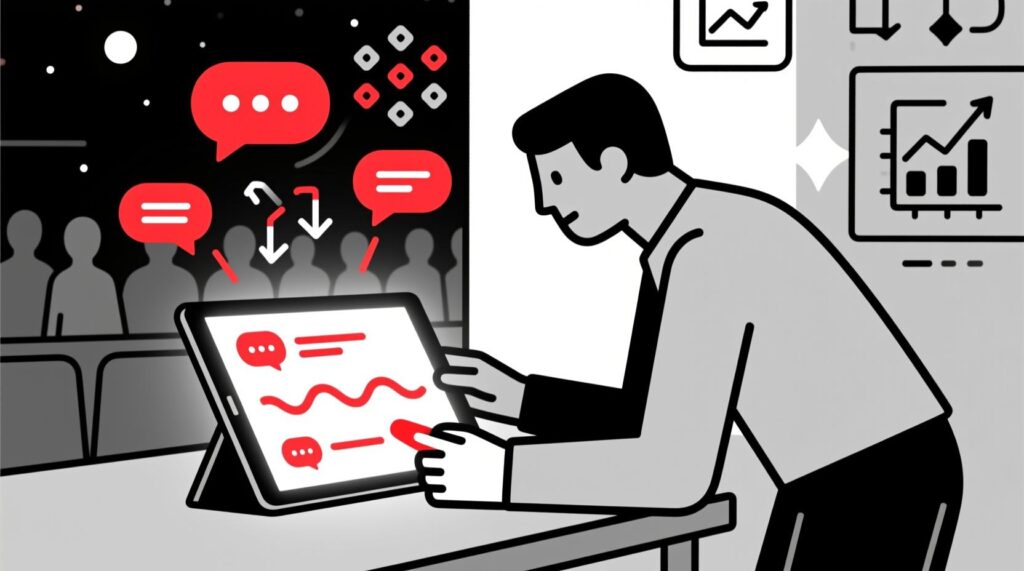
Tactic 1: The “Qualitative Data” Deep Dive
Your open-ended survey responses and Q&A transcripts are a goldmine. AI is the key to unlocking the story hidden in this unstructured data.
The “Insight Synthesizer” Prompt:
Act as a strategic analyst. I have pasted the full transcript from our panel Q&A and the open-ended responses from our post-event survey. Your task is to perform a deep analysis. Identify:

1. The top 3 most frequently discussed member challenges.

2. The most insightful or surprising question that was asked.

3. A direct quote that perfectly summarizes the overall member sentiment.

Present this as a concise 'Voice of the Member' summary.

[Paste your raw qualitative data here]

Tactic 2: The “Impact Infographic” Generator
“Data storytelling” is the practice of building a narrative around your data to convey its meaning in a powerful way. Instead of just writing a report for your board, use AI to create a beautiful, shareable asset for your members.
The “Infographic Blueprint” Prompt:
Act as a graphic designer and data storyteller. I need to create a one-page "Event Impact" infographic to share with our members. Based on the data analysis I've provided below, create a blueprint for this infographic. The blueprint should include:

1. A compelling headline.

2. Three key data "callouts" with an accompanying icon suggestion for each.

3. A section summarizing the "Top 3 Member Takeaways."

4. A powerful member quote to feature at the bottom.

[Paste your 'Voice of the Member' summary here]
You can then take this blueprint to a tool like Canva and create a professional-looking visual in minutes.
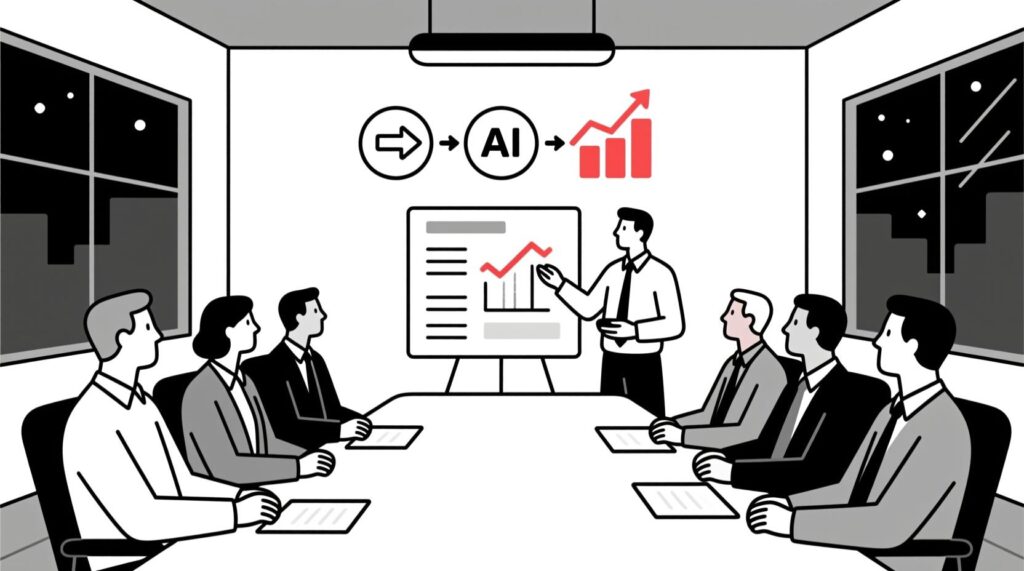
Tactic 3: The “Future-Facing” Recommendations Report
The best event reports don’t just look back; they inform the future. Successful organizations use event feedback to drive strategy, and research shows that a small 5% increase in customer retention can lead to a 25% to 95% jump in profitability.
The “Strategic Forecaster” Prompt:
Act as our Chamber's strategic advisor. Based on the comprehensive event data analysis I've provided (survey results, Q&A themes, poll data), what are 3 concrete, data-driven recommendations for our programming in the next quarter? For each recommendation, cite the specific data point that supports it.Canadian AI Guy’s Pro Tip: Close the Feedback Loop
Don’t let your members’ feedback disappear into a void. Use AI to create a “You Spoke, We Listened” communication. This simple act builds immense trust and proves the value of participation.
Act as our Chamber's Communications Director. Based on the 'Strategic Forecaster' report I just created, write a short, transparent email to our members. The subject line should be "You Spoke, We Listened." The email should briefly summarize the key feedback we received from the event and then clearly state the 2-3 specific actions we are taking in response.
Conclusion: From Event Planner to Strategic Leader
When you use AI to analyze engagement, you’re no longer just reporting on what happened. You’re providing your board with a clear, data-driven understanding of your members’ needs and priorities. It’s how you connect the dots between “soft” engagement metrics and “hard” business outcomes like retention, which is the holy grail for 79% of association leaders. You’re proving your value as a strategic leader.
You’ve now mastered the entire “Beyond the Bums in Seats” system, fro Measuring Success to Engineering Connections and Facilitating Conversations. This is the new standard for member value.
People Also Ask (FAQ)
1. What is “data storytelling”?
It’s the art of transforming raw data into a compelling narrative. Instead of just presenting a chart showing 20% growth, you tell the story of why that growth happened and what it means for the future of the organization.
2. How do I present qualitative data to my board?
Focus on themes and direct quotes. Use the “Insight Synthesizer” prompt to group feedback into clear categories. Then, pull one or two powerful, anonymous quotes that bring those themes to life in a human, relatable way.
3. What’s the most important metric to share with my board?
While financial ROI is important, the most powerful metric is often a “Member Sentiment Score” or Net Promoter Score (NPS) combined with a key strategic insight. This shows both member satisfaction and how the event is informing future strategy.
4. How can I justify the cost of event tech tools to my board?
Frame it as an investment in data. Explain that tools like Slido or Mentimeter aren’t just for fun polls; they are data collection platforms that provide invaluable, real-time insights into your members’ priorities, which is far cheaper and faster than running a traditional focus group.
5. We collected a ton of data. Where do we even start?
Start with a clear question. Don’t just “analyze the data.” Ask the AI a specific question, like, “Based on this event feedback, what is the single biggest pain point our members are facing right now?” A focused question will yield a much more valuable answer.
Share this:

Read more:

The 5-Minute AI Fix: Write Your Social Media Posts for the Entire Week

How to ‘Talk’ to AI: A Small Business Owner’s Guide to Better Conversations